
Uncovering myths and truths about casino gambling
The Illusion of Easy Money
One common myth surrounding casino gambling is the belief that it’s an easy way to make quick money. Many newcomers are drawn to the allure of striking it rich with just a few lucky spins or hands. However, the reality is that casinos are designed to ensure a profit over time. The house edge, which is the mathematical advantage that casinos maintain, is a foundational aspect that keeps the business afloat, and many players turn to resources like 1win for guidance on understanding these odds better. Understanding that the odds are typically stacked against the player is crucial for anyone contemplating gambling.
Moreover, the glamorization of casino success stories often overshadows the countless stories of losses and financial ruin. Media representations tend to focus on big winners, creating unrealistic expectations for the average player. In truth, only a small percentage of gamblers ever win significant amounts of money, and many players end up losing more than they initially set aside for entertainment. It’s important to approach gambling with the mindset of enjoying the experience rather than relying on it as a source of income.
Additionally, the myth of easy money can lead to problematic gambling behaviors. Individuals may chase losses, believing that they will eventually hit a winning streak. This can spiral into a dangerous cycle of betting more than one can afford to lose, resulting in significant financial and emotional distress. Understanding the odds and approaching gambling as a leisure activity rather than a financial strategy is vital for ensuring a healthy relationship with the game.
The Role of Skill versus Luck
Another prevalent misconception is the belief that all casino games rely solely on luck. While it’s true that games like slots are purely chance-based, others, such as poker and blackjack, incorporate elements of skill and strategy. In poker, for instance, mastering the art of reading opponents and understanding probabilities can significantly impact the outcome of the game. This nuanced understanding can create a more engaging experience for players who invest time in improving their skills.
Furthermore, the distinction between skill and luck varies widely across different games. In blackjack, players can use strategies like card counting to gain an advantage over the house. Learning basic strategies can help players reduce the house edge, allowing for a more competitive edge in certain games. This means that informed decisions can lead to better outcomes, underscoring the importance of knowledge in improving one’s chances of winning.
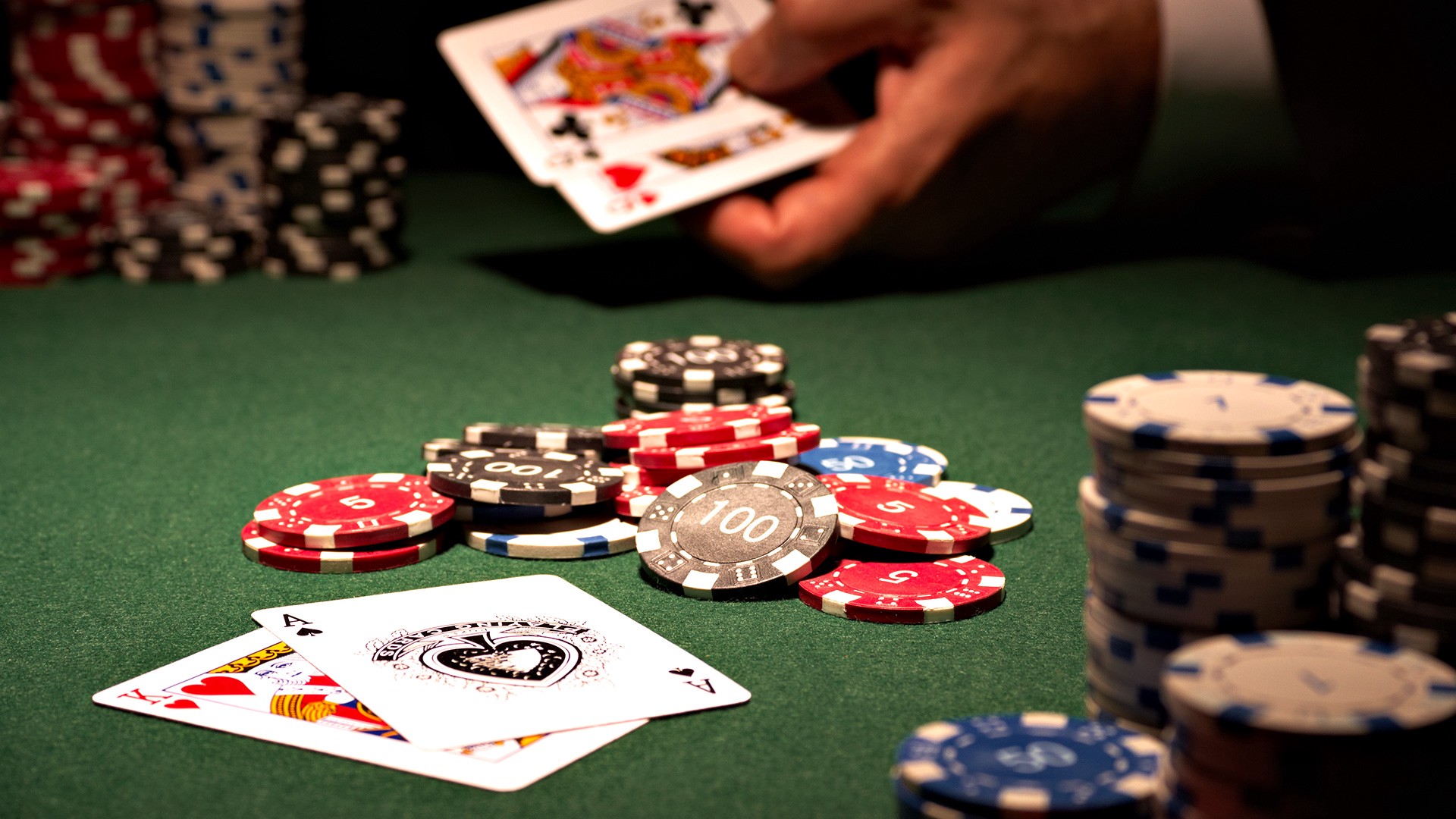
However, it’s important to note that even in skill-based games, luck still plays a significant role. Players may develop strategies that give them an edge, but the outcome of each hand or round can still be unpredictable. This interplay between skill and luck keeps the gaming experience exciting but also reinforces the need for responsible gambling practices. Players should remember that even the most skilled among them can experience losing streaks.
Gambling Addiction Myths
The myth that gambling addiction only affects certain types of people is a common misconception that can have serious implications. In reality, gambling addiction can affect anyone, regardless of background, education, or socio-economic status. Some may believe that only individuals with a predisposition towards addiction are at risk, but environmental factors, life circumstances, and personality traits can all play significant roles. This misunderstanding can discourage individuals from seeking help when they need it.
Furthermore, there’s a misconception that gambling addiction is simply a matter of willpower. Many people think that if someone is struggling, they can just choose to stop if they have enough determination. In truth, gambling addiction is a complex psychological issue that can involve changes in brain chemistry and patterns of behavior that are difficult to break. Recognizing this complexity is essential for understanding the support systems necessary for recovery.
Additionally, some individuals might assume that gambling addiction primarily involves financial issues, but the consequences extend far beyond monetary loss. Relationships, mental health, and overall well-being are often severely impacted. Those affected may experience feelings of shame, isolation, and despair, making it crucial to promote awareness and destigmatize seeking help. Support groups and counseling can provide essential resources for those struggling with gambling addiction.
The Casino Environment and Its Effects
The ambiance of a casino is meticulously crafted to enhance the gambling experience, but this environment can also manipulate players’ behaviors. Casinos often employ bright lights, engaging sounds, and enticing décor designed to keep players inside for as long as possible. This sensory overload can create an immersive experience that blurs the line between reality and fantasy, making it easy for players to lose track of time and money. Understanding this psychological manipulation is key to maintaining self-control while gambling.

The layout of casinos is also strategically designed to encourage players to spend more. Games are often placed in a way that creates a flow, leading players from one attraction to another without clear exits. This encourages prolonged play and can predispose individuals to make impulsive decisions. Recognizing these tactics can empower players to be more mindful of their gambling habits and to set limits before entering a casino.
Moreover, the social aspects of gambling can also contribute to riskier behavior. People often gamble in groups, which can amplify excitement but also peer pressure. The fear of missing out (FOMO) can lead individuals to engage in betting behaviors they might otherwise avoid. It’s vital for players to cultivate self-awareness and recognize when social influences may be prompting them to gamble beyond their means.
Understanding Responsible Gambling
Responsible gambling is a critical concept that emphasizes the importance of playing within one’s means. Understanding one’s limits and setting financial boundaries before engaging in gambling activities is essential. This approach can help mitigate the risks associated with gambling and promote a healthy relationship with the activity. Players should view gambling as a form of entertainment rather than a way to earn money, which significantly alters one’s approach and expectations.
Additionally, various tools can aid in responsible gambling, including budgeting apps and self-exclusion programs. Many casinos offer resources to help individuals monitor their spending and take breaks when necessary. Utilizing these tools can foster accountability and make the gambling experience more enjoyable and less stressful. Players should take advantage of these resources to ensure their gambling habits remain fun and entertaining.
Lastly, education plays a crucial role in promoting responsible gambling. Understanding the games, the odds, and the potential for addiction can empower individuals to make informed decisions. Knowing where to seek help and resources can also alleviate the stigma surrounding problem gambling. Educational initiatives aimed at raising awareness about the realities of gambling can foster healthier attitudes and behaviors in the gaming community.
